Product Development Support

Food and Household are diverse product areas. Below are some examples of common product areas where CERT can provide product development support.

In addition to regulatory compliance and product development, support can be provided with testing advice, providing an independent commercial review regarding test requirements. This can address essential health and safety objectives, and provide benchmark performance testing requirements based on the desired quality: “Good, Better, Best”.

Hover over/tap on the product areas to find out more.

Cosmetics

Cosmetics are subject to a a legal definition, excluding products used solely as medicines. Regulations make it an offence to supply cosmetics that may risk human health or contain restricted or prohibited substances. CERT can provide support with product risk assessments, technical documentation, testing requirements, mandatory markings, and label compliance.
Cosmetics

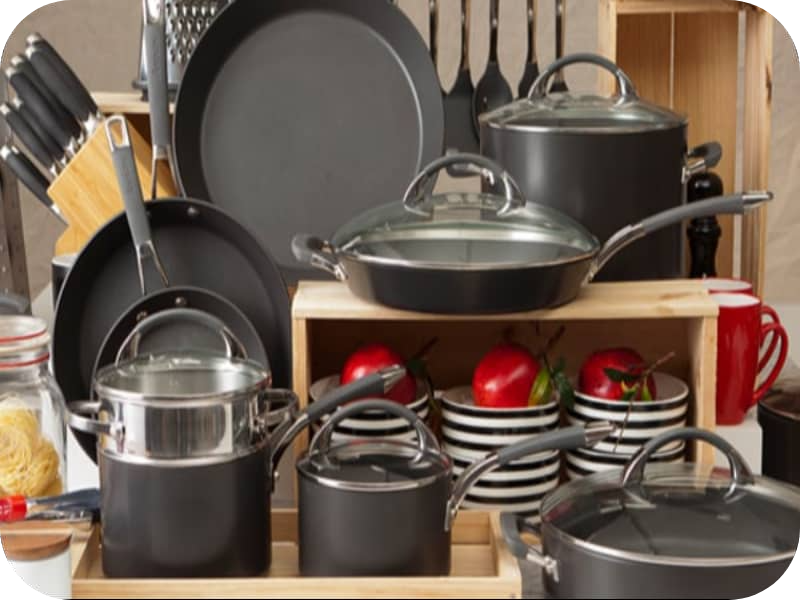
Cookware

Consumers seek cookware and bakeware that deliver excellent performance and are easy to clean. Increasingly, this includes specialist products utilising high-temperature engineered plastics, such as silicone, used in bakeware and as components in handles and lids. CERT offers expert support with material selection, food contact compliance, and correct labelling.
Cookware

Cross-Functional Products

A cross‑functional product draws obligations from multiple regimes because of its design, features, or intended use, such as smart personal‑care devices, connected kitchen appliances, or children’s products with electronic and chemical features. Electrical equipment falls under the Low Voltage Directive and EMC rules, while toys, cosmetics, food‑contact parts, machinery elements, radio modules, and batteries may each trigger additional legislation. The EU General Product Safety Regulation then acts as a safety‑net, covering any risks not fully addressed by sector‑specific rules.
Cross Functional

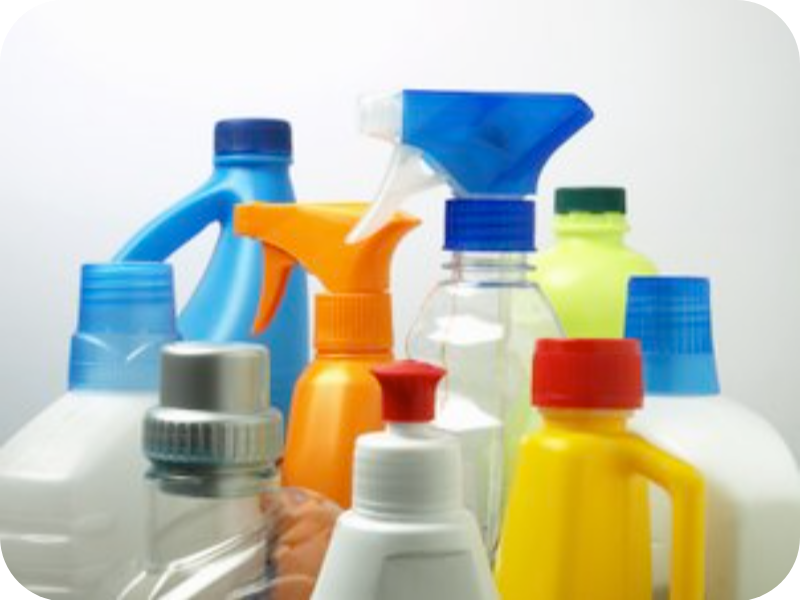
Detergents

All detergents must comply with Detergents Regulations for labelling and packaging. If they contain biocidal active substances, Biocides/Pesticides Regulations and possible product registration also apply. Requirements vary based on ingredients and use. CERT can support with risk assessments, labelling, technical documentation, testing requirements, third-party endorsement, and registration advice.
Detergents

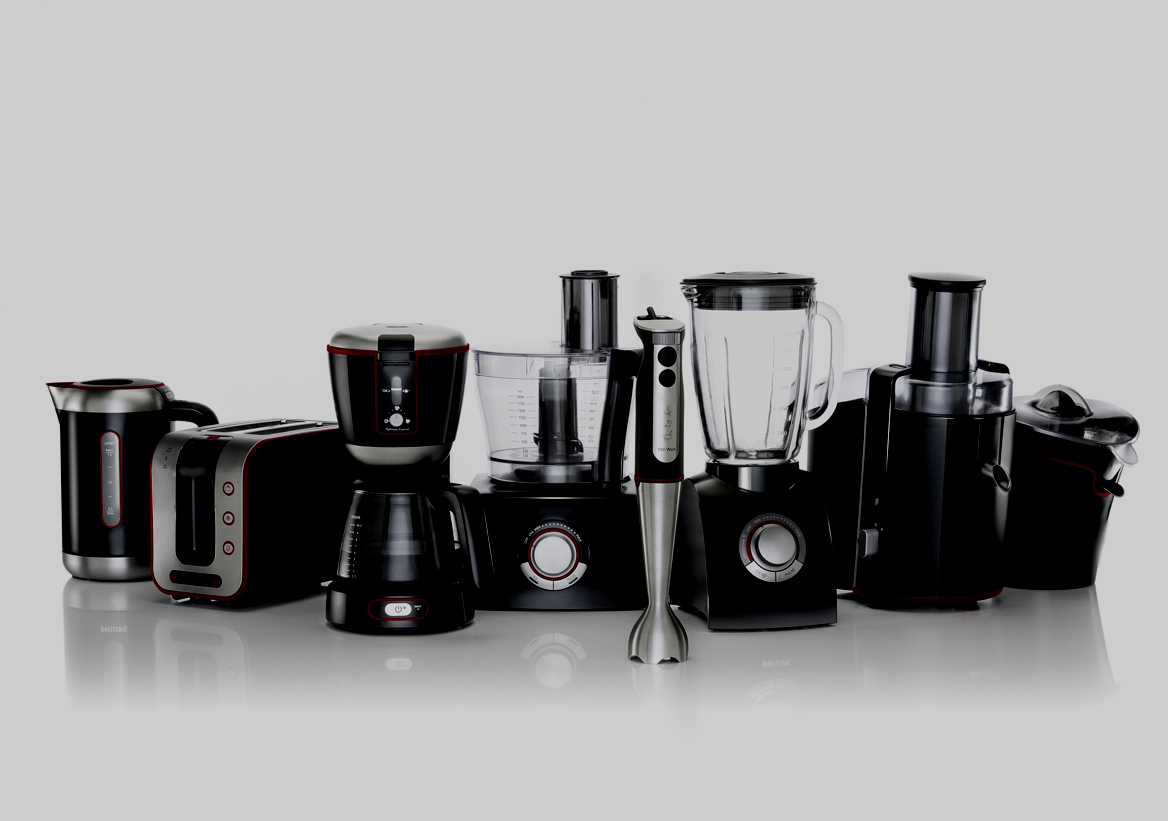
Electricals/SDA

Electrical equipment and small domestic appliances are typically designed for use within the range of 50-1,000 volts AC or 75-1,500 volts DC. CERT also specialises in reviewing low-voltage and extra-low voltage (ELV) products, including requirements for batteries and accumulators. Our support covers conformity assessment procedures, technical documentation, CE (RoHS), WEEE and EMC marking, identification requirements, and tailored labelling aligned with your specific end use and target market.
Electrical SDA

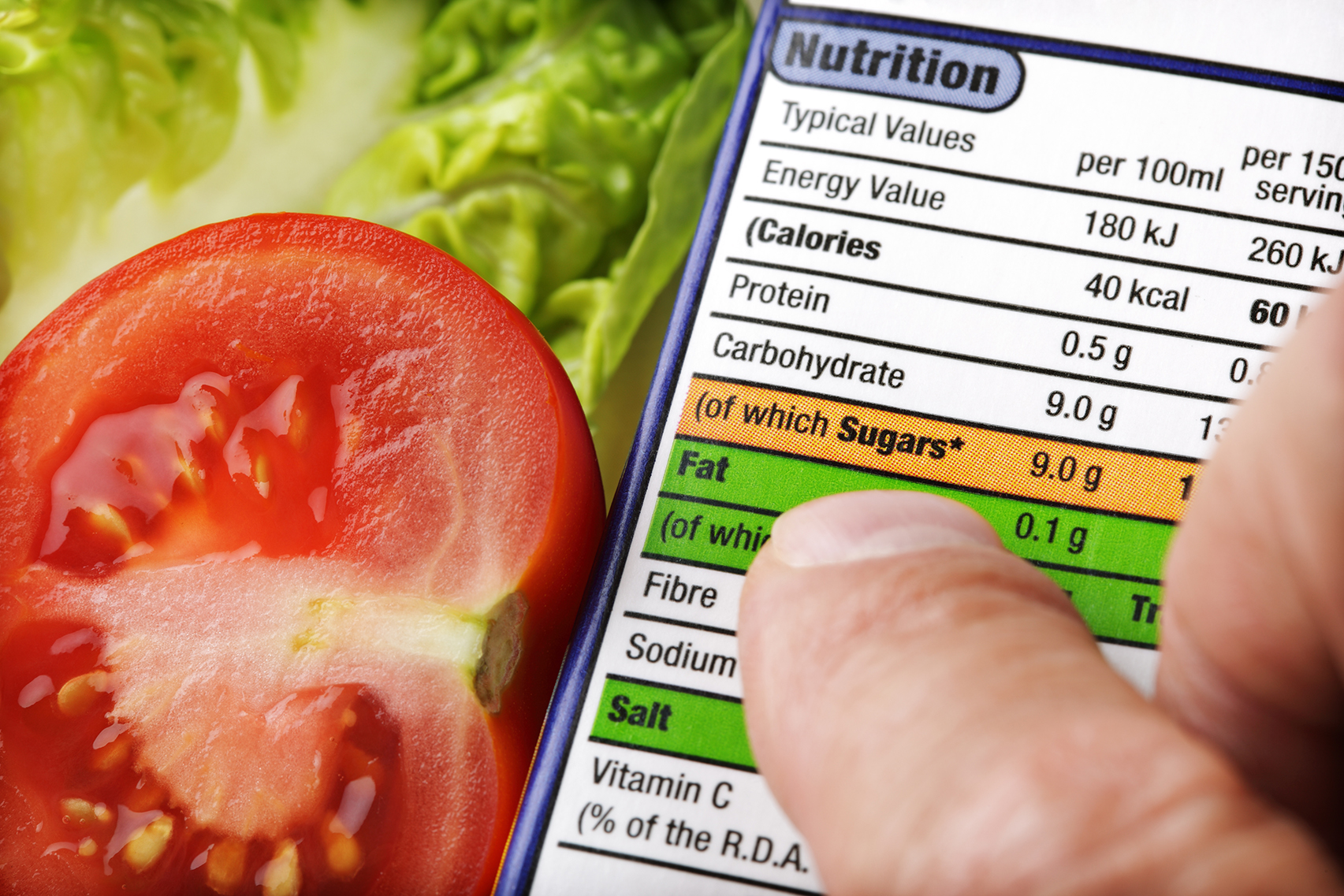
Food

The food sector spans fresh produce, meat, ready meals, beverages, confectionery, and more, including organic labelling and geographical indications. CERT supports every stage, from product specifications to pack copy, including ingredient, packaging, and nutrition data. We also provide guidance on artwork and label compliance, plus QAS writing, supply chain data mapping, specification reviews, and data migration.
Food

The products listed here are only an example of the products we support and not an exhaustive list. If you cannot see your product area, please click on Contact CERT to see what solutions CERT can offer you.


Food Contact Materials

Food Contact Materials (FCMs) include any materials that come into contact with food during production, processing, storage, or use. Testing may range from basic migration tests to complex assessments for plastic packaging and advanced materials. CERT supports with testing, labelling compliance, regulatory requirements, and market-specific guidance.
Food Contact Materials

Furniture

Furniture falls into two main categories: upholstered and non-upholstered, ranging from sofas to seat pads for dining chairs. CERT offers expert support across both, with guidance on strength, durability and safety testing, product risk assessments, chemical analysis (such as MDF), material grading (including leather), labelling, and legislative requirements. We also provide advice on sustainable materials, including CITES compliance.
Furniture

Garden Equipment and DIY

Garden equipment and tools cover a broad spectrum, from chemical-based products, such as paints with specific labelling requirements, to power tools governed by the Machinery Directive. This diverse category draws on regulations from multiple product sectors. CERT provides expert technical support, regulatory guidance, and labelling verification.
Garden Equipment & DIY

Home Fragrance

Home fragrance products range from potpourri, candles and room sprays to infusion sticks and drawer liners, offering a wide variety of possibilities. CERT provides expert support with product labelling, guidance on working with third parties, Safety Data Sheet (SDS) confirmation, stability testing, and international regulatory requirements.
Home Fragrance

Home Lighting

CERT provides expert support with all mandatory marking requirements for lamps, LED modules, and luminaires, covering both fixed and portable domestic lighting. Key legislation includes LVD, EMC, General Product Safety, RoHS, REACH/CLP, and WEEE. Beyond labelling, CERT provides tailored technical guidance on product-specific testing, aligned to your target market and application.
Home Lighting

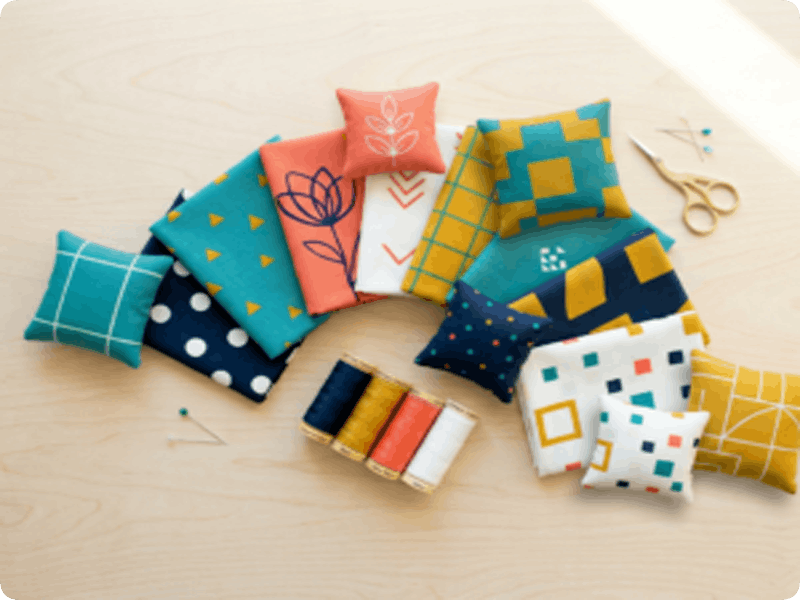
Homeware (Household) Products

Homeware covers decorative items such as candles and lanterns, diffusers, cushions, photo frames, mirrors, and similar products. While primarily aesthetic, some may have limited functional roles. Depending on composition and features, products may fall under CLP and fragrance regulations (e.g. candles, wax melts, diffusers, sprays), electrical and EMC requirements (for decorative lighting), or food-contact legislation (for occasional-use serving items). Assessment of purpose, materials, and intended user, including child appeal, is key to determining applicable regulations and standards.
Homeware

CERT can help ensure your product is ‘safe’, constructed in accordance with principles constituting good engineering practice and conforms to specific regulatory safety objectives for your intended markets.  Contact CERT for a tailored solution for your product development support.
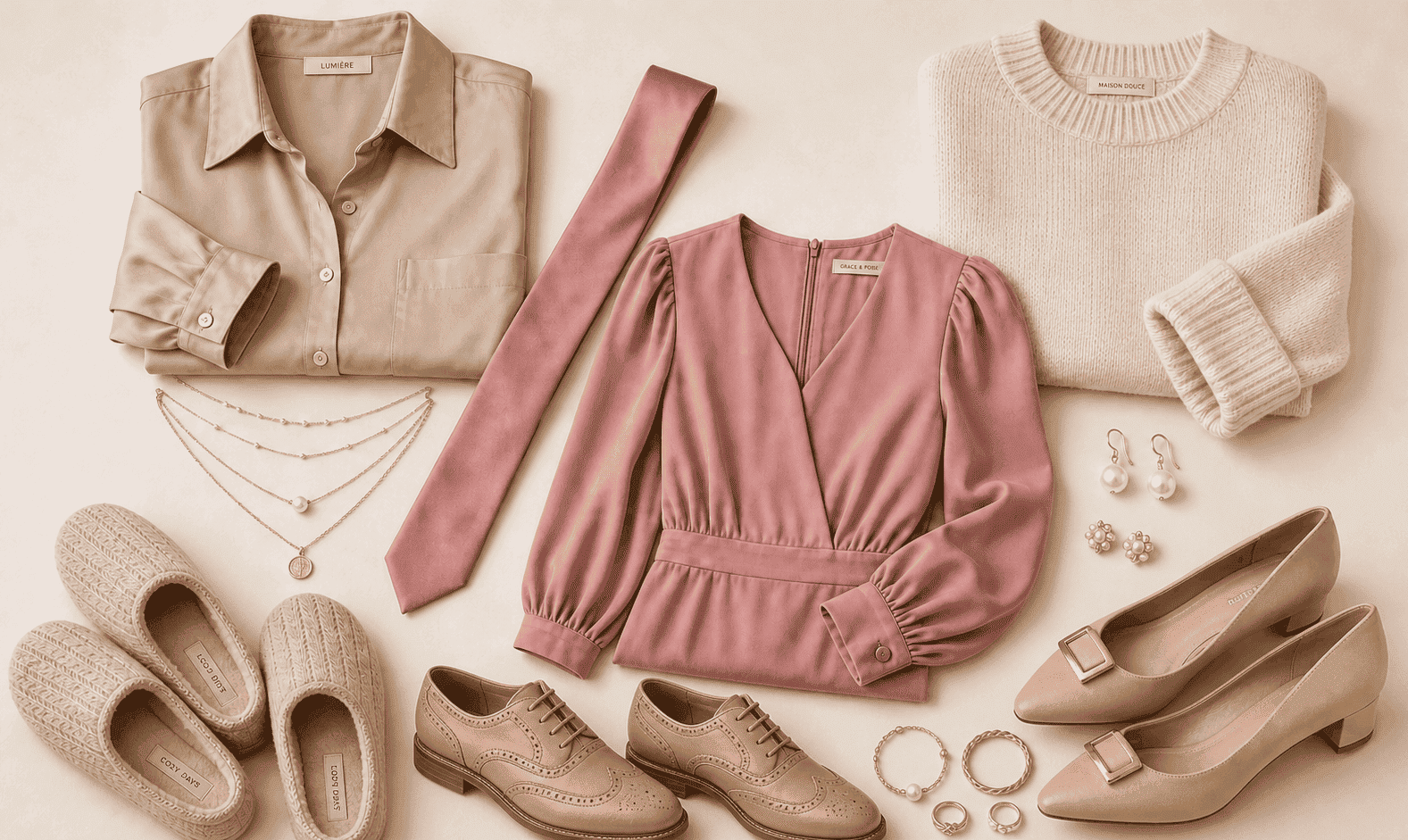
Personal Accessories, incl Jewellery & Textiles

Heavy metals in jewellery are tightly regulated. Items in direct, prolonged skin contact, such as earrings, watches, and necklaces, must meet limits for nickel (~0.5 μg/cm²/week), lead (~0.05% by weight), and cadmium (~0.01% by weight), with stricter thresholds for piercing posts. Products comprising at least 80% textile fibres such as furniture, umbrellas, and sunshades must be labelled with fibre content. Where multiple fibres exceed 7%, each must be declared by percentage, and permanent labelling may be required. CERT provides expert guidance on compliance, testing, construction, flammability, and labelling to ensure your products meet all applicable requirements.
Personal Accessories

Outdoor Products

Outdoor products, from BBQs and burners to kites, fireworks, furniture, tents, and swimming aids, span a diverse, design-led market. Some present higher risks and broad user appeal, making clear warnings essential where hazards cannot be fully mitigated. CERT provides expert support on risk assessment, safety, construction manuals, performance testing, product markings, and compliant labelling to ensure full regulatory compliance.
Outdoor

Pet Products

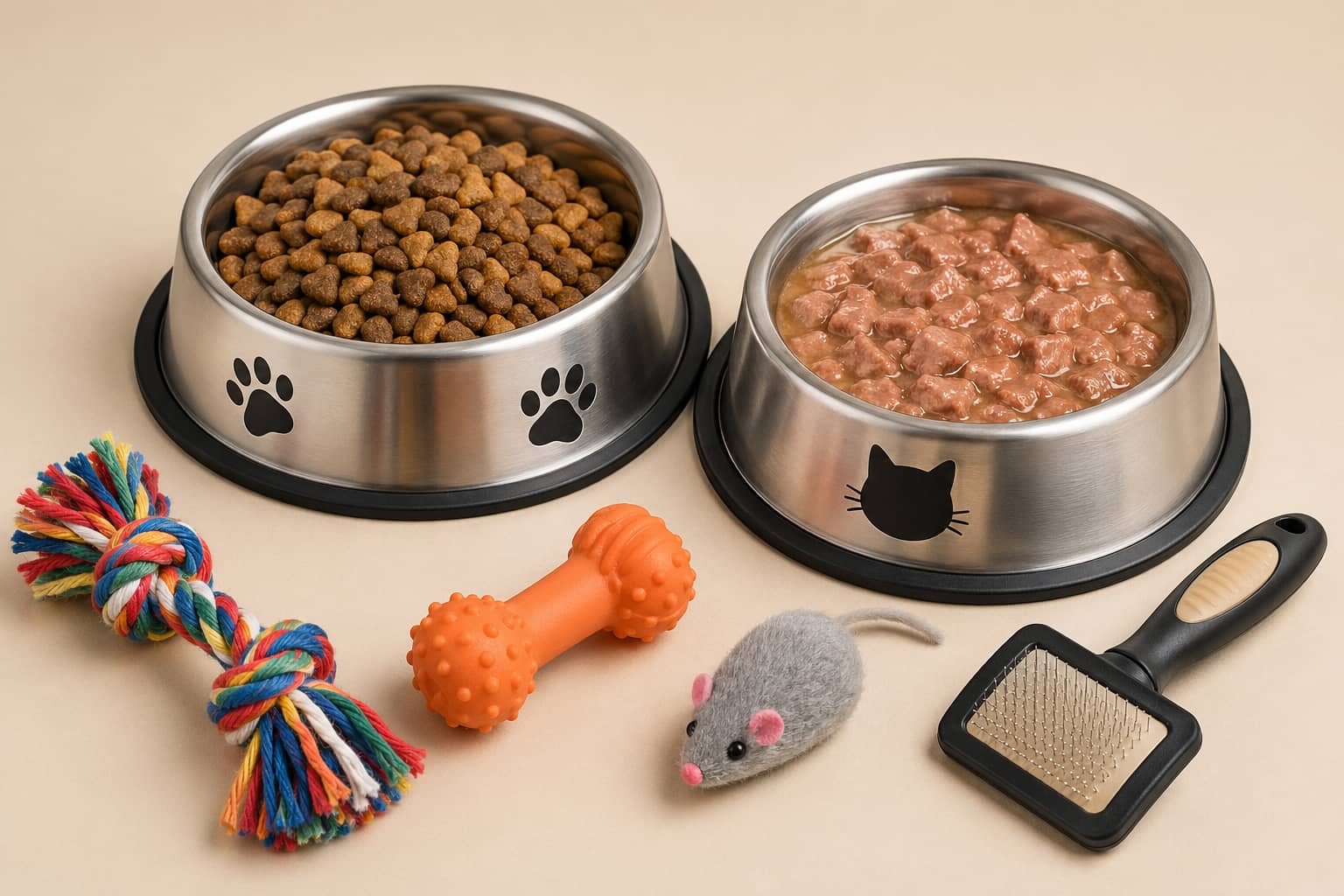
Pet products include both food and accessories. Most pet food is classed as compound, comprising two or more ingredients, and must meet general and product-specific labelling rules, using “Composition” rather than “Ingredients,” alongside category-specific nutrition and feeding guidance. Pet accessories such as collars, leads, harnesses, and bowls are typically consumer products, but some (e.g. electronic training, illuminated or GPS collars) may also fall under low voltage, EMC, or radio equipment regulations. Food and water bowls should meet food-contact requirements to prevent harmful substance migration. CERT provides expert guidance on compliance, including animal by-products, testing, and labelling.
Pet Products

Supplements

Product claims are central to food supplement marketing, with dosage accuracy essential to support compliant, approved claims within country-specific limits. In some markets, such as the EU, products also require registration. CERT provides expert support on label and market compliance, including ingredients, nutrition, claims, market representation, and registration where required.
Supplements

Tabletop Products

For ceramic, glass, and cutlery tableware, the key risk is toxic metal migration during food contact. CERT provides expert guidance on applicable regulations, standards, testing and safety requirements, including stress limits for glassware. Product use and associated risks must be clearly reflected in labelling. Contact CERT to discuss your compliance requirements.
TableTop

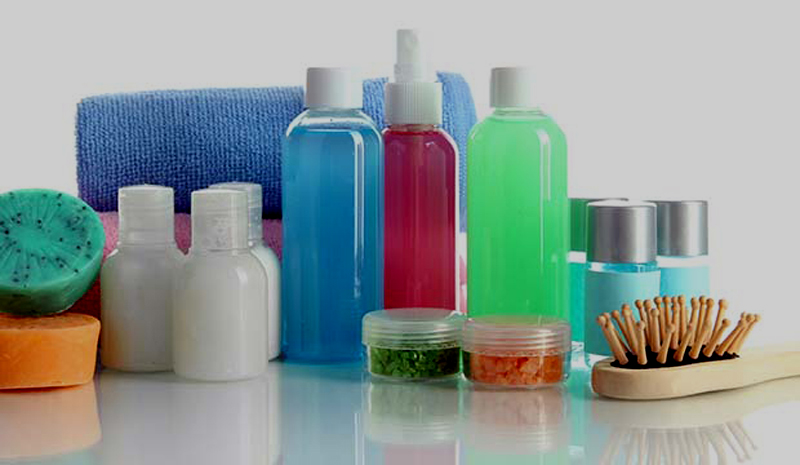
Toiletries

Toiletries are generally classified as cosmetics and exempt from chemical labelling, unless they do not primarily support appearance, cleansing, or fragrance. In the US, for example, soap is regulated separately, while other products fall under the FD&C Act. Some hygiene items may also be classed as medical devices, requiring additional compliance and labelling. CERT provides expert guidance on international legislation, testing, and labelling for toiletry products.
Toiletries

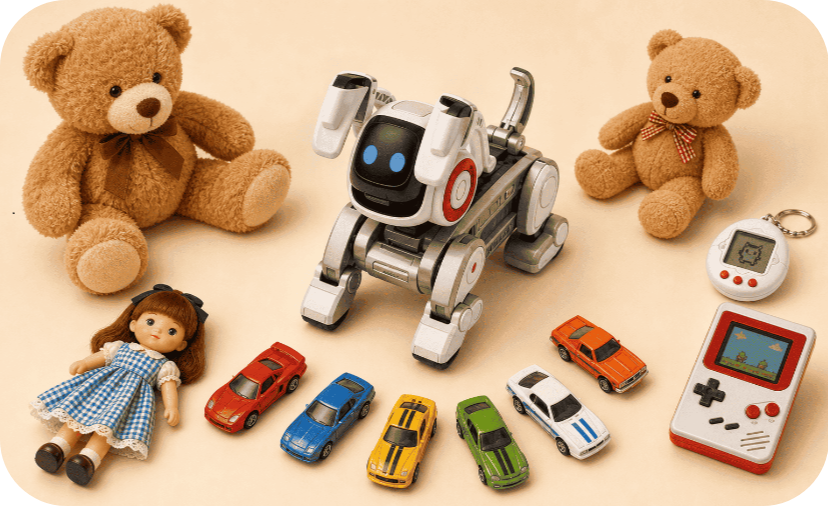
Toys

Manufacturers and importers must meet Essential Safety Requirements (ESR) to place toys on the market. While regional rules vary, all address key risks, mechanical, flammability, chemical, and electrical safety, with strict standards in both the US (CPSC) and EU (Toy Safety Directive). CERT provides expert support with risk assessments, classification, testing protocols, traceability, and mandatory labelling to ensure full compliance across markets.
Toys

_______ Upholstery

Upholstered furniture—including beds, sofa beds, cots, cushions, and mattresses (both new and used)—must meet strict flammability safety standards and five core regulatory requirements. Testing frequency depends on production volumes and is not explicitly set out in the regulations.

CERT offers expert advice on testing, labelling, batch testing due diligence, and risk assessments to ensure full compliance with legislation. Contact CERT to safeguard your upholstered furniture products.
Upholstery

In addition to the pack copy and mandatory markings, CERT can also ensure that images used are appropriate and not misleading when verifying the artwork.

Take the last section, upholstery as an example. A throw displayed on a bed will have different flammability requirements to a throw on a sofa.
CERT can help ensure that your labelling and product branding is not misleading.

When you need Confidence in your products, being delivered in a cost Efficient manner. Where you can Rely on quality and being delivered on Time.

CERT Services