

Detergents in the EU & UK
CERT provides specialist regulatory and technical support across all product sectors, including formulated detergent products. We help businesses navigate complex EU and UK requirements with clarity and confidence. Interested in tailored support? Register your project interest so we can arrange a complimentary call with the relevant regulatory professional in our team.
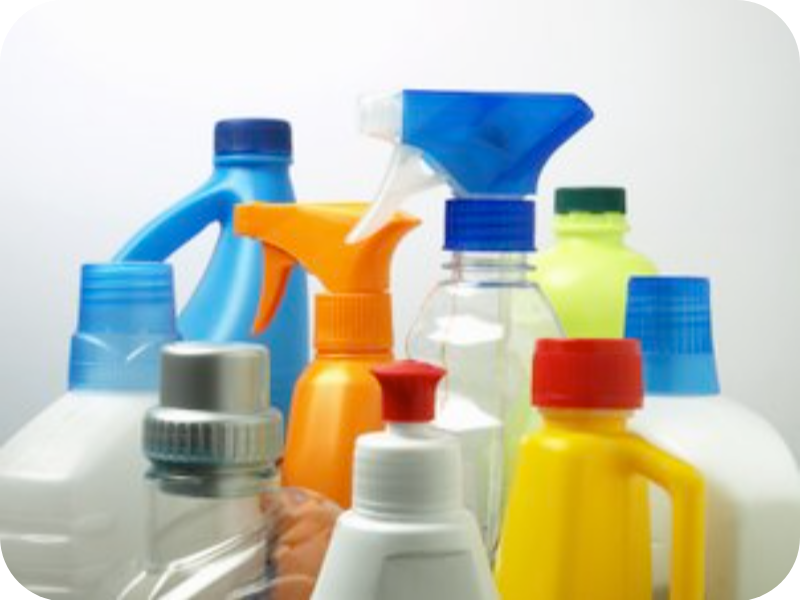
Detergents are widely used, from household washing-up liquids and laundry powders to industrial degreasers and surface cleaners. They must be biodegradable, safely formulated, correctly classified, and clearly labelled before they can be placed on the EU or UK market.
Detergents are regulated primarily under the Detergents Regulation (EC) No 648/2004 (retained in GB law) alongside EU/UK CLP/REACH, and where products make biocidal claims (for example, “kills 99.9% of bacteria”), the Biocidal Products Regulation may also apply.
What counts as a detergent
A detergent is any substance or preparation containing soaps or other surfactants intended for washing and cleaning processes, whether for consumer, professional, or industrial use.
They may be liquids, gels, powders, tablets, bars, pastes, or aerosols, and include: laundry detergents (including fabric conditioners),dishwashing products (hand-wash and machine), hard-surface cleaners (kitchen, bathroom, floor), & Industrial and institutional cleaning products.
Core obligations include:
Ensure all surfactants used in the product meet the ultimate aerobic biodegradability requirements set out in the Detergents Regulation, supported by testing conducted in GLP- or EN ISO/IEC 17025-compliant laboratories.
Comply with phosphate restrictions in consumer laundry and dishwasher detergents, which ban or strictly limit the total phosphorus content per wash dose.
Classify and label products under EU CLP (for EU) or GB CLP (for GB), including correct hazard pictograms, signal words, hazard statements, and precautionary statements where the product is classified as hazardous.
Meet the specific detergent labelling requirements under Article 11 of the Detergents Regulation (see Markings and information below).
Maintain technical documentation including formulation details, surfactant biodegradability data, ingredient data sheets (for medical personnel), and safety data sheets (SDS) for hazardous products.
Comply with REACH (EU) or UK REACH substance restrictions and any applicable authorisation requirements for substances used in the formulation.
Verify that products placed on the EU/UK market are correctly labelled, classified, and packaged in accordance with the Detergents Regulation and CLP, with SDS and ingredient data sheets available in the appropriate language.
Not alter the composition, labelling, or packaging of products in a way that would affect classification or compliance; if they do, they assume the responsibilities of the manufacturer.
Keep relevant technical records and make them available to competent authorities on request.
Markings and information
Detergents placed on the EU/UK market must carry clear, indelible, and legible labelling in the language(s) of the country of sale, including:
Product identification: Trade name and product name.
Responsible party details: Name, full address, and telephone number of the manufacturer, importer, or other party responsible for placing the product on the market.
Ingredient access information: A website address where consumers can access the full ingredient list online; an address, email, and telephone number for obtaining ingredient data sheets for medical personnel.
Constituent disclosure: Where present above 0.2% by weight, eighteen specific ingredient categories (including surfactant types, phosphates, and aliphatic hydrocarbons) must be declared on the label using the following concentration bands: <5%; 5–<15%; 15–<30%; ≥30%. Certain ingredients—including enzymes, optical brighteners, disinfectants, and perfumes—must be listed regardless of concentration.
CLP hazard information: Where classified as hazardous, all applicable hazard pictograms, signal word, hazard statements, and precautionary statements must appear.
Dosage information (laundry detergents): Recommended dose by water hardness and wash cycle, measuring cup capacity in ml/g, and an estimated number of standard loads per pack.
Fragrance allergens: Where regulated fragrance allergens are present above the applicable threshold, they must be declared by name.
Disposal and safety information: Instructions on safe use, storage, and disposal consistent with the product’s classification and SDS.